




A Guide To The History And Symbolism Of Bridal Lace
- April 14, 2022
- by
- admin
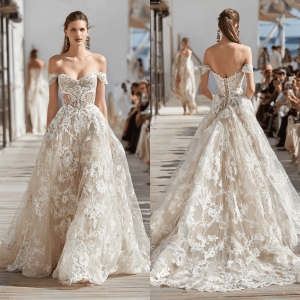
In the world of wedding fashion, few elements whisper of romance, tradition, and timeless elegance quite like lace. This delicate fabric, with its intricate patterns and ethereal beauty, has adorned brides for centuries, weaving a story that transcends mere trend. More than just a decorative choice, bridal lace is a fabric rich with history, artistry, and profound symbolism, connecting the modern bride to generations of love stories that came before. Today, this tradition is lovingly reinterpreted in stunning contemporary designs, where the classic meets the modern in breathtaking ways, such as in a graceful lace wedding dress with sleeves that offers both vintage charm and fresh sophistication. To understand why lace remains the undisputed fabric of romance, we must trace its beautiful journey through time and uncover the heartwarming meanings stitched into every pattern.
A Tapestry Through Time: The Royal Origins Of Bridal Lace
 The story of lace as a bridal staple is inextricably linked to a royal love story that captivated a nation. While lace had long been a symbol of extreme wealth and status in European courts, its destiny was sealed in 1840 with the wedding of a young Queen Victoria to Prince Albert. Defying the opulent silver brocade tradition for royal brides, Victoria chose a gown of rich white satin, adorned with exquisite handmade Honiton lace. This was a deeply personal and symbolic choice; the lace industry was based in Devon, England, and her patronage was a deliberate show of support for British craftsmanship. Her choice popularized the white wedding dress and, most importantly, cemented lace as the ultimate symbol of bridal purity, nobility, and refined taste.
From that moment, lace became the aspirational dream for brides everywhere. As techniques evolved and became more accessible, what was once the privilege of royalty filtered down, becoming a cherished tradition in its own right. The desire to wear lace on one’s wedding day became a universal symbol of entering a new life of love and commitment with the same grace and beauty as a queen.
The Language Of Threads: Unraveling The Symbolism Of Lace
Beyond its royal pedigree, lace carries a beautiful, silent language of its own. Each motif, each delicate thread, can be seen as a symbol of the hopes and dreams a bride carries into her marriage.
-
The Endless Knot & The Lover’s Knot: Perhaps the most poignant symbol, these intricate, interlooping patterns with no beginning and no end represent eternal love, an unbreakable bond, and the intertwining of two lives into one united future.
-
Floral Motifs: Flowers in lace are not merely decorative. The Rose universally symbolizes love and beauty. The Lily represents purity and majestic love. Ivy, with its clinging vines, signifies fidelity, endurance, and lasting attachment. Orange Blossoms, famously used by Queen Victoria, are emblems of fertility, happiness, and a prosperous union.
-
The Honeycomb Or Hexagon: This geometric pattern is a timeless symbol of a honeybee’s hive, representing domestic industry, hard work, and the sweetness of a loving home being built together.
-
The Scalloped Edge: Often finishing a veil or neckline, the scallop shell is an ancient symbol of fertility, femininity, and the beautiful journey of love, historically associated with the goddess Venus.
When a bride chooses a lace gown, she is not just selecting a fabric; she is adorning herself in a tapestry of these beautiful wishes—for eternal love, pure joy, a sweet home, and a fruitful future.
The Artisan’s Touch: A Celebration Of Global Craftsmanship
The romance of lace is deeply rooted in the human hands that create it. For centuries, specific regions have cultivated their own distinctive styles, each with a story to tell. Recognizing these origins adds another layer of meaning to a gown.
-
Chantilly Lace: Hailing from France, this lace is the epitome of romantic delicacy. Known for its fine, detailed floral patterns on a sheer net background, it is often made with a silky thread, giving it a luxurious sheen. It speaks of effortless grace and timeless femininity.
-
Alençon Lace: Known as the “Queen of Lace,” Alençon is a needle lace from France characterized by its exquisite, raised corded outlines on floral motifs. It is more structured and sculptural, offering a regal, defined elegance that has graced many royal and couture gowns.
-
Guipure Lace (Or Venetian Lace): A bolder, more contemporary lace where motifs are connected by threads or “brides” rather than a net ground. It is dense, textural, and makes a dramatic statement, often featuring lush floral or geometric patterns.
-
Irish Crochet Lace: Born from necessity during the Irish Potato Famine, this craft became a vital source of income. Its intricate, raised motifs worked with a crochet hook tell a story of resilience, community, and exquisite skill, making it a profoundly meaningful heirloom choice.
Lace In The Modern Era: Carrying Tradition Forward
Today’s bride has the joyous opportunity to engage with this history in deeply personal ways. Modern designers honor these traditions while innovating with placement, scale, and combination. A bride might choose a gown with dramatic 3D floral lace appliqués that seem to bloom directly from the fabric, or a sleek silhouette accented with bold Guipure lace sleeves.
Furthermore, many brides continue the most heartwarming tradition of all: incorporating family lace. A fragment of a mother’s or grandmother’s veil or gown, sewn into a new dress as a sleeve lining, a bodice overlay, or a delicate pocket square, transforms the fabric into a tangible heirloom. It physically connects the bride to her own history, wrapping her in the love of the women who came before her as she steps into her future.
In the end, a lace wedding dress is so much more than a beautiful garment. It is a conversation across centuries, a canvas of symbolic hopes, and a testament to human artistry. It connects a bride to queens, to artisans, and to her own heart. When she chooses lace, she chooses to weave her own unique love story into a fabric already rich with romance, ensuring her walk down the aisle is part of a beautiful, enduring tradition.
You may also Like

Why Every Modern Man Should Own A Signature Ring
Beyond The Hype: Wooden Watches For Everyday Elegance
